EXPERT TERRACE HOUSE AGENT
Buy or Sell a Terrace House in Singapore
Two terrace houses on the same street can be completely different purchases. Able makes sure you know which one you're actually looking at.
Most terrace house searches in Singapore start with a budget number, and stop there. That's a mistake, because an intermediate unit and a corner unit in the exact same row can differ by 10 to 20% in price, and by a lot more in what you're actually allowed to do with the property. Able S.K Toh, an experienced property agent in Singapore and real estate veteran with 120 transactions in the past 3 years, works through that distinction with buyers and sellers before a single offer gets made. As a terrace house agent in Singapore, he gives you sharp strategy and straight numbers, no wasted moves.
Get Terrace House Advice | Book a Consultation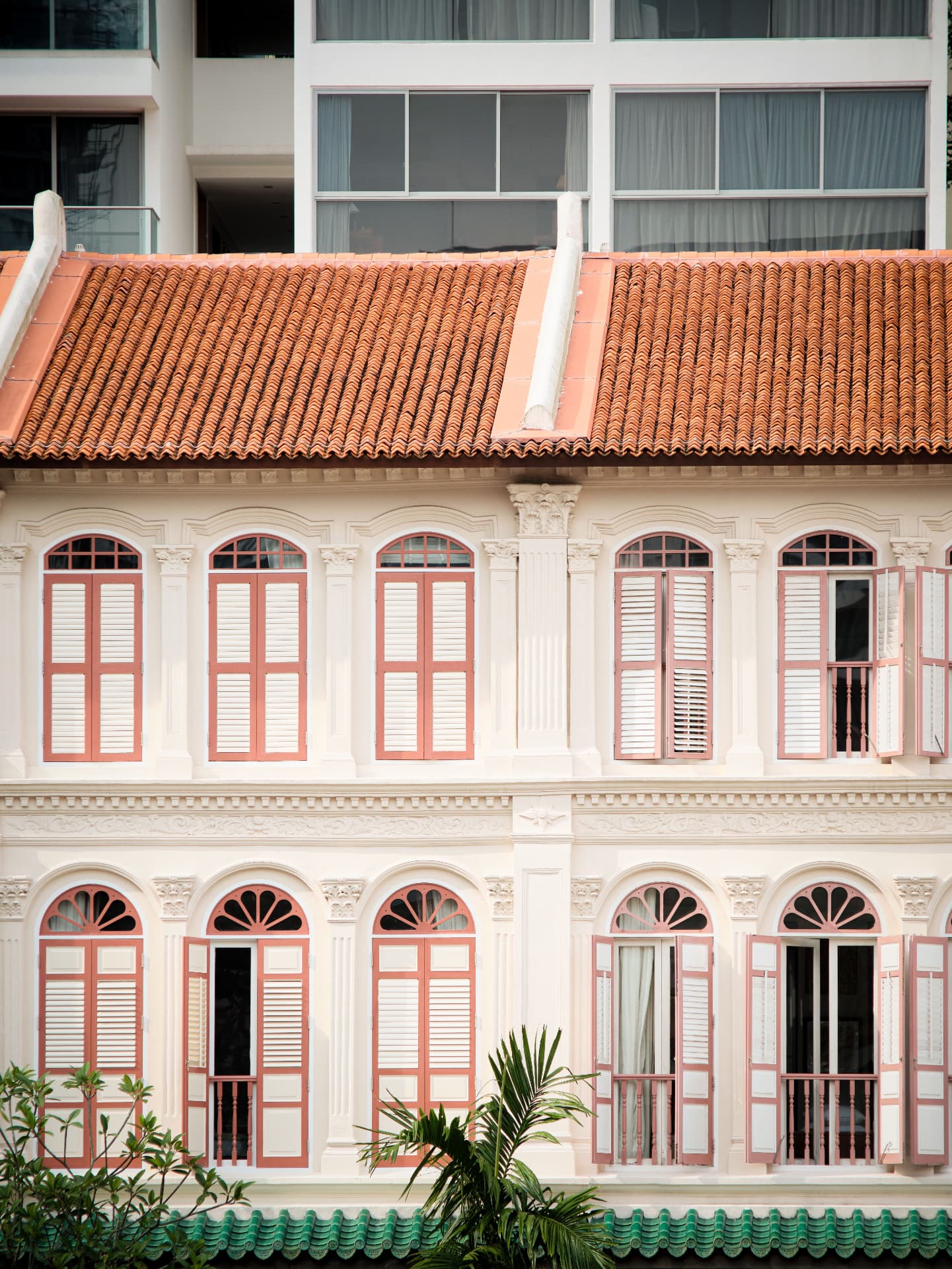
Why Buyers and Sellers Trust Able With a Terrace Purchase or Sale
This isn't generic landed property experience dressed up for a terrace page. Able's approach to terrace transactions specifically covers:
- Real estate veteran experience across HDB, condo, landed, cluster house, townhouse, and commercial property
- 120 transactions in the past 3 years, verified on PropertyGuru
- PropNex Gold Achiever, April 2026, and Silver Growth Award recipient
- Real fluency in intermediate vs corner terrace valuation, not a one-size-fits-all price opinion
- Negotiation grounded in comparable transactions for the specific terrace type, not category averages
- Flexible commission structures depending on what you're working on
Intermediate or Corner: Why "Terrace House" Doesn't Mean One Thing
A terrace house is not one single type of property, and treating it as one is how buyers overpay, or sellers underprice. The difference between an intermediate and a corner unit affects price, privacy, light, land size, and future rebuild potential, all at once.
An intermediate terrace sits mid-row, sharing a wall on both sides. It's the more affordable way into landed ownership, but comes with less side exposure and more to coordinate if you ever want to renovate or rebuild, since work near either shared wall touches a neighbour's structure. A corner terrace sits at the end of the row, sharing just one wall, with a wider plot and the kind of natural light and privacy an intermediate unit can't match. URA's own classification backs this up: a Type 1 corner terrace needs at least 200 square metres of land and an 8-metre frontage, a Type 2 corner needs 80 square metres with the same 8-metre frontage, while intermediate units typically sit on a narrower 6-metre frontage. That difference in land and frontage is exactly why corner units usually command a 10 to 20% premium over an equivalent intermediate unit in the same estate.
How Terrace Stacks Up Against Semi-D and Detached
| Features | Terrace | Semi-Detached | Detached |
|---|---|---|---|
| Shared walls | Both sides (intermediate) or one side (corner) | One side only | None |
| Land title | Own title | Own title | Own title |
| Typical entry price | Usually the most affordable of the three | 30 to 50% above an equivalent terrace | Highest of the three |
| Best suited to | First-time landed buyers | More space without full detached pricing | Maximum land and privacy |
Note: Price relationships are general market patterns, not fixed figures, and shift by district, tenure, and land size.
What a Terrace House Actually Costs
There's no single terrace house price worth repeating as gospel. Recent market observations place intermediate terraces broadly around S$1.6 million to S$3.2 million, and corner terraces roughly S$2.2 million to S$4.5 million, but both ranges move substantially depending on district, freehold vs leasehold tenure, land size, condition, and rebuild potential. A terrace house agent in Singapore that buyers can actually rely on should pull recent comparable transactions for your specific street, not quote a category-wide number and call it done.
Rebuilding a Terrace House: What Changes Between Intermediate and Corner
Major works to a terrace house get classified by URA as Additions & Alterations, Reconstruction, or New Erection depending on scope. A&A works have limits around approved GFA, external walls, and structural changes; cross those, and a project gets reclassified as Reconstruction, a longer, more involved process.
The intermediate-vs-corner distinction matters here too. On an intermediate unit, with walls shared on both sides, owners have more to plan around: neighbouring structures, site access, and shared-wall considerations on two fronts instead of one. A corner unit only has one shared wall to account for, generally a simpler rebuild scope. Indicative market estimates for a full intermediate terrace reconstruction commonly run S$800,000 to S$1.2 million, with corner units typically higher given the larger plot, though these are contractor market estimates, not fixed benchmarks; get a proper quote against your specific plot before budgeting off any range.
Who's Eligible to Buy
Terrace houses fall under the same restricted residential property rules as other landed housing. Singapore Citizens can generally purchase freely. Permanent Residents and foreigners typically need approval from SLA's Land Dealings Approval Unit before buying. Confirm your specific position before you start viewing.
Understanding eligibility early helps buyers plan their terrace house search more effectively and avoid unnecessary delays. It also ensures you are clear on the ownership requirements before making offers or committing to a property.
Is a Terrace House the Right Move for You?
A terrace may suit you if you:
- Want genuine land ownership without semi-detached or detached pricing
- Value land over shared condo-style facilities
- Are comfortable with shared walls, more on an intermediate unit, less on a corner
It's probably not the right fit if you:
- Need maximum privacy and light as the top priority
- Want the largest possible land area your budget allows
- Would rather avoid any shared-wall planning considerations at all
In either case, a corner terrace or a semi-detached house might be worth comparing against before you settle on an intermediate unit. A terrace house agent in Singapore who knows both sides of that comparison can save you from guessing.
Buying a Terrace House in Singapore With Able
- 1Understand what you actually need. Budget, and whether intermediate or corner genuinely fits your priorities.
- 2Confirm eligibility and financing. Check properly before you view anything.
- 3Shortlist properly. Based on terrace type, frontage, location, and rebuild potential, not just the asking price.
- 4Review the structure and shared walls. Condition, wall position, and any existing modifications on neighbouring units.
- 5Negotiate and complete. Able handles the back-and-forth so you're negotiating from real data.
Selling a Terrace House in Singapore With Able
- 1Get an accurate valuation. Based on recent comparable transactions for your specific terrace type and street, not a hopeful number.
- 2Position the property properly. Corner frontage, rebuild potential, or renovation quality, whatever makes your unit stand out.
- 3Field enquiries properly. Serious buyers filtered from time-wasters before viewings start.
- 4Negotiate from data, not pressure.
- 5Close with support through completion.
What Able Checks Before You Commit
- Land title, tenure, and terrace type, intermediate or corner
- Frontage and plot size against URA's classification requirements
- Shared wall condition and any existing structural work on neighbouring units
- Rebuild and A&A potential under current URA envelope controls
- Recent comparable transactions for the specific terrace type and street
- Whether the unit's original approved housing form has changed
Explore Able's Other Property Services
- Semi-Detached House Agent: For buyers weighing more space and one shared wall instead of two.
- Landed Property Agent: The full picture across all landed housing types.
- Cluster House Agent: A strata-titled alternative with shared facilities.
- Townhouse Agent: Another property type worth comparing against standalone landed.
Ready to Buy or Sell a Terrace House?
Weighing an intermediate unit against a corner terrace, or terrace against semi-detached? Talk to Able, the best property agent in Singapore, before you commit to anything. He'll help you work out which terrace type actually fits your budget and what you're trying to get out of the property.
COMMON QUESTIONS
Questions Able Hears Most
What's the real difference between an intermediate and corner terrace?+
An intermediate terrace shares walls on both sides and sits mid-row. A corner terrace shares just one wall, sits at the end of the row, and typically has a larger plot with 8-metre frontage under URA's classification, usually commanding a 10 to 20% premium over an equivalent intermediate unit.
How much does a terrace house cost in Singapore?+
It varies significantly by district, tenure, land size, and condition. Current comparable transactions are the most reliable guide for a specific property; Able can pull those for your exact street rather than quoting a category average.
Can foreigners buy a terrace house in Singapore?+
Generally, no, without approval. Terrace houses carry the same restricted residential property rules as other landed housing, and foreigners typically need approval from SLA's Land Dealings Approval Unit first.
Is rebuilding an intermediate terrace harder than a corner unit?+
Not necessarily harder, but there's more to coordinate. Two shared walls mean more neighbouring structures and site considerations to plan around than a corner unit's single shared wall.
What's the difference between a terrace house and a semi-detached house?+
A terrace house shares walls with neighbours on one or both sides, depending on whether it's intermediate or corner. A semi-detached house shares exactly one wall with one neighbour and generally sits on a larger plot, typically at a 30 to 50% price premium over an equivalent terrace in the same area.
Is a terrace house a good first landed property?+
For many buyers, yes. It's typically the most accessible route into genuine land ownership, at a meaningfully lower price than semi-detached or detached, without losing the core benefit of owning the land outright.