Can foreigners buy property in Singapore? Yes, but which property, how much tax you pay, and whether you can finance it at all depends heavily on your passport, not just your budget. A US citizen and a UK citizen buying the identical condo can face a six-figure difference in cost, purely based on nationality.
This matters whether you're relocating for work, investing from overseas, or planning a retirement home. ABSD for foreign Singapore buyers is the single biggest number in this entire decision, and it changes dramatically based on where your passport is from. Get the eligibility and tax rules wrong before you commit, and the mistake is measured in hundreds of thousands of dollars, not a bad negotiation.
What Foreigners Can and Can't Buy
Can foreigners buy property in Singapore? Quick reference before the details:
| Property Type | Foreigner Access |
|---|---|
| Private condominium | Open, no approval needed |
| Executive Condominium (EC) | Only after 10-year privatisation |
| HDB flat | Barred, except via marriage to a Singapore Citizen |
| Landed property (mainland) | Restricted, requires LDAU approval, rarely granted |
| Landed property (Sentosa Cove) | The one landed exception, requires SLA approval, routinely granted for genuine buyers |
| Commercial/industrial | Open, and exempt from ABSD entirely |
Condos are genuinely the easy path. Everything else involves either a waiting period, an approval process, or isn't available at all.
Condos and ECs: The Two Private Housing Paths
Foreigners buying condo Singapore properties face essentially no restrictions beyond the tax and financing rules covered throughout this guide. Any private condominium, in any district, at any price point, is open to purchase without prior approval; the only real constraints are ABSD and your bank's lending assessment. Able works with buyers on this segment daily as a condo property agent in Singapore.
Executive Condominium foreigner eligibility works differently. ECs start life as a hybrid, government-subsidised but privately built, and carry restrictions during their early years that mirror HDB rules more than private condo rules. Foreigners cannot buy an EC during its Minimum Occupation Period, and only gain access once the EC fully privatises at the 10-year mark, at which point it functions like a standard private condo for purchase purposes, subject to the same ABSD and financing rules as any other private property.
ABSD for Foreigners: The 60% Number That Changes Everything
Since April 2023, the honest answer to whether foreigners buy property in Singapore without a heavy tax hit is largely no; a flat 60% Additional Buyer's Stamp Duty applies to any residential purchase, first, second, or fifteenth; it doesn't matter. There's no owner-occupier relief, no graduated scale by property count the way citizens get.
Worked example: a foreigner buying a $2,000,000 condo pays $1,200,000 in ABSD alone, on top of roughly $69,600 in Buyer's Stamp Duty. That's before legal fees, agent commission, or a single dollar of renovation. Total entry costs typically land somewhere around 63-68% of the purchase price for a standard foreign buyer.
This single number is the reason so many foreign buyers ask about eligibility exemptions before they ask about neighbourhoods. Local upgraders face a smaller version of the same problem, covered in our guide on moving from HDB to condo in Singapore.
The FTA Exemption Almost Nobody Explains Properly
Here's the detail most competitor guides bury or skip entirely, and it's the single most valuable tax fact in this entire topic.
Under FTA ABSD exemption Singapore rules, Free Trade Agreements Singapore has signed with the United States and the European Free Trade Association, nationals and permanent residents of the United States, Iceland, Liechtenstein, Norway, and Switzerland are treated exactly like Singapore Citizens for ABSD purposes. That means 0% ABSD on a first residential property, 20% on a second, 30% on a third, the same schedule a Singapore Citizen gets, not the standard 60% foreigner rate.
Worked comparison on the same $2,000,000 condo:
- A UK, Australian, or Chinese citizen pays $1,200,000 in ABSD
- A US citizen pays $0 in ABSD on their first property
That's a $1,200,000 difference, purely based on passport. Understanding US citizen property Singapore ABSD treatment specifically matters here, since Americans make up the largest single nationality benefiting from this exemption in practice. A few critical details:
- This exemption is tied to citizenship, not visa status, work pass, or how long you've lived in Singapore. A US citizen on an Employment Pass qualifies; a French citizen on the same Employment Pass does not
- For EFTA countries, both nationals and permanent residents of those countries qualify, not just citizens
- To claim it, your conveyancing lawyer submits proof of citizenship through the IRAS e-Stamping portal when paying stamp duty; it isn't automatic.
If you hold one of these five nationalities and nobody's mentioned this to you, that's a conversation worth having before you sign anything.
Landed Property and the Sentosa Cove Exception
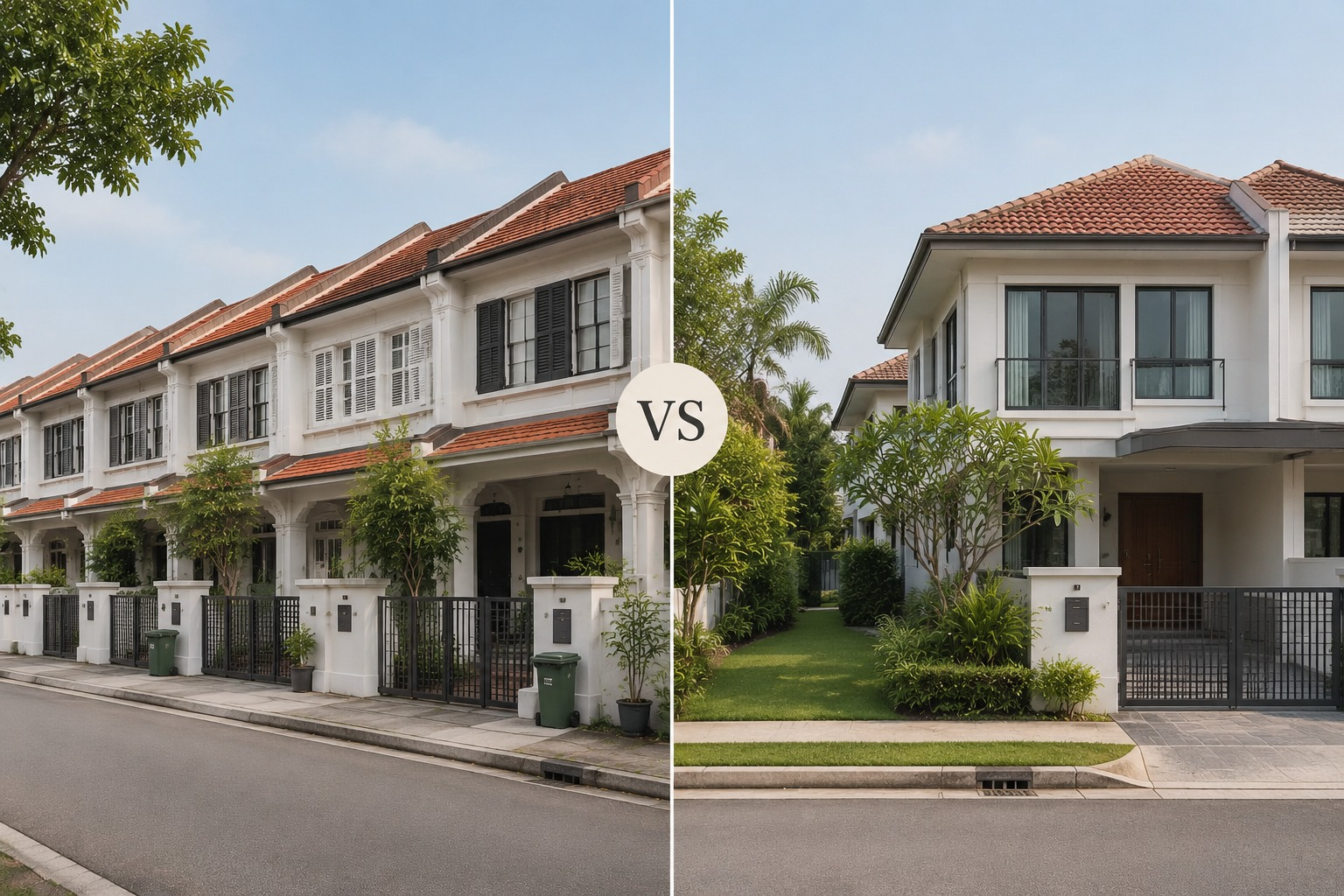
Mainland landed property, bungalows, semi-detached, and terrace houses outside Sentosa Cove require approval from the Land Dealings Approval Unit under the Singapore Land Authority. Approval is genuinely rare, typically reserved for applicants with substantial economic contribution to Singapore and long-term residency, and non-PR foreigners are very unlikely to succeed. If you do qualify, a specialist landed property agent in Singapore is essential for the approval process.
Sentosa Cove is the one designated exception, and this is where most Sentosa Cove foreigner property questions get answered. Foreigners may apply to purchase bungalows, semi-detached, and terrace houses there through a Restricted Residential Property Approval, still processed through SLA but routinely granted for bona fide buyers.
Sentosa Cove purchases also carry a Land Betterment Charge on top of standard stamp duties, and the 60% ABSD still applies unless you qualify under the FTA exemption above. Entry prices here typically start in the multi-million dollar range, so this route suits a specific buyer profile rather than a general first-home purchase.
Financing as a Foreigner: No CPF, LTV, and TDSR
Foreigners cannot use CPF funds at all, reserved strictly for citizens and PRs, so your down payment and every stamp duty must come from cash or a loan. Getting a foreigner property loan Singapore banks will actually approve starts with an Approval-in-Principle before you even begin viewing units seriously.
Singapore banks do lend to foreigners, typically up to a 75% Loan-to-Value cap on a first property loan, subject to the same 55% Total Debt Servicing Ratio limit that applies to everyone else. Banks will assess your income, existing debt, and creditworthiness the same way they would for a resident, just without CPF as an option to bridge the gap. Able works with clients through this exact financing conversation at Able Sell Property in Singapore, since foreign income documentation and cross-border credit checks often need extra lead time banks don't always flag upfront.
Property Tax If You Rent It Out
Beyond the one-time stamp duties, property tax is a recurring annual cost that catches a lot of foreign investors off guard, especially those planning to rent the unit out rather than live in it.
Non-owner-occupied residential property is taxed progressively from 12% up to 36% of Annual Value, compared to owner-occupier rates starting near 0%. On a condo with an Annual Value of $60,000, that's roughly $10,800 a year as a rental investment versus around $3,680 if you lived in it yourself. Factor this into your real net yield calculation; headline gross yield figures from developers rarely account for it.
Buying in Trust or Jointly: Two Traps That Cost 60-65%
Two structuring mistakes catch buyers who think they've found a clever workaround.
Buying in trust: Since May 2022, any residential property put into a living trust, including for minor children, gets taxed at 65% ABSD, the same as corporate entities. Non-remittable, no exceptions.
Buying jointly with a citizen spouse: ABSD is calculated on the higher of the two buyers' profiles, so a foreigner-citizen joint purchase defaults to 60% on the whole property, not a blended rate. A matrimonial-home remission exists, but must be actively applied for.
Both of these are the kind of detail a generic online calculator won't flag, and where working with an experienced property agent in Singapore who's actually seen these structures play out matters.
Selling Later: SSD and the Foreign Buyer Pool
If you're planning to hold short-term, Seller's Stamp Duty adds a second layer of cost on the way out.
As of purchases made from 4 July 2025 onward, SSD runs on a four-year ladder: 16% in year one, 12% in year two, 8% in year three, 4% in year four, and zero after that, a longer and steeper structure than the previous three-year, 12/8/4 regime. On a $2,000,000 condo sold in year two, that's $240,000 in SSD alone, on top of whatever ABSD you already paid going in.
There's also a practical liquidity issue worth knowing: your eventual buyer pool is smaller than a citizen seller's, since your buyer is either another foreigner facing the same 60% ABSD, a PR facing 5-30%, or a citizen facing 0-30%. Combined entry and exit friction is exactly why foreign participation in Singapore's private residential market sits at a small fraction of total transactions. When the time comes, our selling guide walks through pricing and exit strategy in detail.
The Commercial Property Workaround
If the residential numbers above feel steep, commercial property is worth a serious look. This is exactly why commercial property foreigner Singapore no ABSD searches have grown; ABSD simply doesn't apply to commercial or industrial property, for foreigners or anyone else; only Buyer's Stamp Duty and potentially GST apply.
Many investors specifically use shophouses or commercial strata units to access Singapore property without the residential ABSD burden at all. We cover this route in more depth in our guide on working with a commercial property agent in Singapore, if that's a path worth exploring for your situation.
The One HDB Exception: Buying With a Citizen Spouse
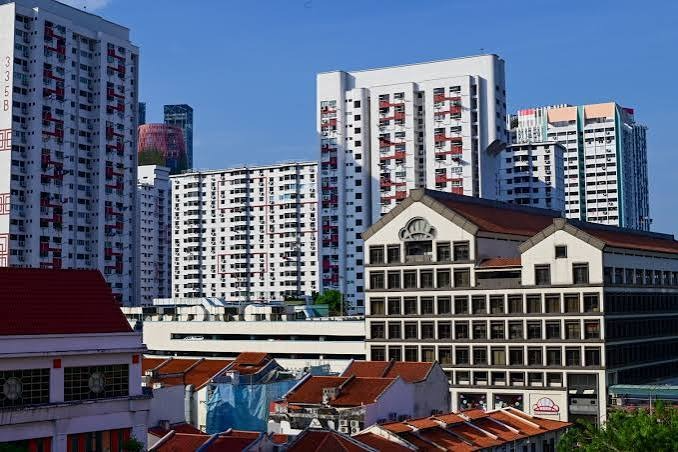
The HDB flat foreigner spouse exception is narrow but real, and worth understanding if it applies to your situation. A foreigner cannot buy an HDB flat independently under any circumstances, but if you're married to a Singapore Citizen, you can be included as a co-applicant or occupier on that citizen's HDB purchase, subject to HDB's standard eligibility conditions for the citizen spouse (income ceiling, family nucleus requirements, and so on). An experienced HDB property agent can confirm eligibility before you commit.
This doesn't open up HDB purchases generally; it's specifically tied to the marriage, and the Singapore Citizen spouse remains the primary applicant throughout the process. If the marriage ends, HDB has separate rules governing what happens to the flat, which is worth discussing with a lawyer rather than assuming.
PRs vs Foreigners: Why the Distinction Matters
Understanding PR vs foreigner property rules clearly matters because Permanent Residents sit in their own category, distinct from both citizens and standard foreigners.
| Property Category | Singapore Citizen | PR | FTA-Exempt Foreigner | Standard Foreigner |
|---|---|---|---|---|
| ABSD (1st property) | 0% | 5% | 0% | 60% |
| ABSD (2nd property) | 20% | 30% | 20% | 60% |
| Can buy HDB resale | Yes | Yes | No | No |
| Can use CPF | Yes | Yes | No | No |
PRs can buy HDB resale flats (though not new BTO units), and pay less ABSD than standard foreigners meaningfully, but still can't touch new HDB flats or bypass the landed property restrictions.
Step-by-Step: How a Foreigner Actually Buys
The mechanics aren't complicated, but the deadlines are unforgiving; miss one, and it costs real money.
- Confirm eligibility for your target property type
- Get an Approval-in-Principle from a bank if financing
- Engage a property agent and a conveyancing lawyer
- Sign the Option to Purchase and pay the option fee
- Exercise the OTP within the option period
- Pay BSD and ABSD (or file for FTA remission) within 14 days
- Complete the purchase and collect keys
Missing the 14-day stamp duty window, or assuming FTA remission is automatic without your lawyer filing the paperwork, are the two most common process errors.
Why Foreign Buyers Work With Able S.K Toh
Navigating eligibility, ABSD exemptions, and financing as a foreigner is a genuinely different process from a typical resident purchase. Able is a PropNex Gold Achiever who has walked cross-border buyers through exactly this kind of transaction, explaining costs clearly upfront rather than letting a client discover a $1,200,000 ABSD bill mid-negotiation.
If you're evaluating a purchase as a foreigner, message Able on WhatsApp for a clear-eyed read on your specific eligibility and costs, no pressure.
Get a Free, No-Obligation Valuation
Chat with Able S.K Toh directly on WhatsApp, or call the number below.
Putting It All Together: A Full Cost Example
Numbers scattered across sections are harder to act on than one worked scenario, so here's a complete picture for a standard foreign buyer purchasing a $1,800,000 condo, paid in full within the first year of ownership if sold early:
- Buyer's Stamp Duty: approximately $60,600
- ABSD at 60%: $1,080,000
- Total stamp duty on entry: roughly $1,140,600, before legal fees or agent commission
- If sold within year one: an additional 16% SSD, or $288,000, on top of the entry costs already paid
- If rented out instead: non-owner-occupied property tax adds several thousand dollars a year, depending on Annual Value
Now compare that to an FTA-exempt US citizen buying the identical $1,800,000 condo as a first property: $0 ABSD, only the $60,600 BSD applies. The gap between these two buyers, on the same unit, is well over a million dollars, which is exactly why checking your eligibility for the FTA exemption before you commit to a purchase price matters more than almost any other decision in this process.
Final Thoughts
Can foreigners buy property in Singapore? Yes, but the real question is which property, at what tax cost, and whether your nationality changes the math entirely. The FTA exemption alone is worth checking before you assume the standard 60% rate applies to you, and the trust and joint-purchase traps covered above catch even experienced international buyers who assume Singapore works the same way their home market does.
Get the eligibility, tax, and financing details right before you fall for a specific unit. Visit Able Sell Property in Singapore or reach out to Able directly, especially if your situation involves a nationality-based exemption, a joint purchase, or a trust structure that a generic calculator won't catch.
FAQs
1. Can foreigners buy property in Singapore?
Yes. Foreigners can freely buy private condominiums and, in Sentosa Cove, landed property with approval. HDB flats are barred except through marriage to a Singapore Citizen.
2. How much ABSD do foreigners pay in Singapore?
A flat 60% on any residential property purchase, with no owner-occupier relief and no reduction for a first purchase.
3. Are any foreigners exempt from ABSD in Singapore?
Yes. Nationals and PRs of the US, Iceland, Liechtenstein, Norway, and Switzerland receive the same ABSD treatment as Singapore Citizens under Free Trade Agreements.
4. Can foreigners buy landed property in Singapore?
Only in Sentosa Cove without extreme difficulty. Any other landed property foreign Singapore buyers consider on the mainland requires LDAU approval, which is rarely granted.
5. Can foreigners use CPF to buy property in Singapore?
No. CPF is reserved for Singapore Citizens and Permanent Residents. Foreigners must finance purchases through cash or bank loans.
6. What's the difference between PR and foreigner property rules?
PRs pay lower ABSD (5% on a first property vs 60%) and can buy HDB resale flats, which standard foreigners cannot do at all.
7. Can foreigners buy HDB flats in Singapore?
No, with one exception: a foreigner married to a Singapore Citizen can be included in that citizen's HDB purchase.